Home

What's New

Report | RIPIRG Education Fund | Budget, Tax

The Hidden Costs of Offshore Tax Havens

When U.S. corporations and wealthy individuals use offshore tax havens to avoid paying taxes to the federal government, it is an abuse of our tax system. Tax haven abusers benefit from our markets, infrastructure, educated workforce, and security, but they pay next to nothing for these benefits. Ultimately, taxpayers must pick up the tab, either in the form of higher taxes, cuts to public spending priorities, or increased national debt.

> Keep Reading
Report | RIPIRG Education Fund | Budget

TRANSPARENCY IN CITY SPENDING

The ability to see how government uses the public purse is fundamental to democracy. Transparency in government spending checks corruption, bolsters public confidence, improves responsiveness, and promotes greater effectiveness and fiscal responsibility.

> Keep Reading
News Release | RIPIRG | Budget, Tax

First Step to Avoid the Fiscal Cliff: Close Offshore Tax Loopholes

With Congress scrambling to agree on ways to reduce the deficit, RIPIRG released a new analysis pointing out a clear first step to avoid the “fiscal cliff”: closing offshore tax loopholes. Many of America’s largest corporations and wealthiest individuals use accounting gimmicks to shift profits made in America to offshore tax havens, where they pay little to no taxes. This tax avoidance costs the federal government $150 billion in tax revenue each year.  RIPIRG released new data illustrating the size of this loss with 16 dramatic ways $150 billion could be spent.

> Keep Reading
Report | RIPIRG Education Fund | Budget, Tax

What America Could Do with $150 Billion Lost to Offshore Tax Havens

Many corporations and wealthy individuals use offshore tax havens—countries with minimal or no taxes—to avoid paying $150 billion in U.S. taxes each year. By shielding their income from U.S. taxes, corporations and wealthy individuals shift the tax burden to ordinary Americans, who must pick up the tab in the form of cuts to public services, more debt, or higher taxes. The $150 billion lost annually to offshore tax havens is a lot of money, especially at a time of difficult budget choices. To put this sum in perspective, we present 16 potential ways that income could be used.

> Keep Reading
Report | RIPIRG Education Fund | Consumer Protection

Trouble in Toyland 2012

The 2012 Trouble in Toyland report is the 27th annual RIPIRG survey of toy safety. In this report, RIPIRG provides safety guidelines for consumers when purchasing toys for small children and provides examples of toys currently on store shelves that may pose potential safety hazards.

> Keep Reading

Pages

News Release | RIPIRG | Budget, Food

RIPIRG Builds Statewide Support to Stop Congress from Subsidizing Big Agribusinesses and Unhealthy Foods

The Rhode Island Public Interest Research Group (RIPIRG) spent the summer speaking with thousands of Rhode Islanders about the need to end government subsidies that go toward the production of junk food ingredients like high-fructose corn syrup.  Throughout the state, from Providence to Narragansett and Warwick to Newport, we found support among residents for ending this wasteful use of our tax dollars.

> Keep Reading
News Release | RIPIRG Education Fund | Budget, Food

Ag Subsidies Pay for 21 Twinkies per Taxpayer, But Only Half of an Apple Apiece

Federal subsidies for commodity crops are subsidizing junk food additives like high fructose corn syrup, enough to pay for 21 Twinkies per taxpayer every year, according to RIPIRG’s new report, Apples to Twinkies 2012. Meanwhile, limited subsidies for fresh fruits and vegetables would buy one half of an apple per taxpayer.

> Keep Reading
News Release | RIPIRG | Higher Ed

Responding to Students, Congress Extends Low College Loan Rate

Statement of Rich Williams, RIPIRG Higher Education Advocate, on the Congressional passage of bipartisan legislation to prevent subsidized Stafford student loan interest rates from doubling:

Congress listened to students and their families and delivered a bill that stops student loan interest rates from doubling. Students already face unprecedented student loan debt and adding an additional $1,000 more would not only crunch individual borrowers, but would have further weighed down the recovering economy. We applaud Congress for coming together to pass this much-needed legislation.

> Keep Reading
News Release | RIPIRG | Transportation

Transportation Bill is a Step Backwards

Statement by Phineas Baxandall, RIPIRG’s Senior Transportation Analyst, regarding the disappointing federal Transportation Bill as released from conference committee today.

> Keep Reading
News Release | RIPIRG | Health Care

Supreme Court Upholds Health Reform

Today’s decision is good news for consumers. Insurance companies can’t go back to the days of dropping your coverage once you become ill, or denying coverage to sick children. And beginning in 2014, the days of insurers being able to deny anyone coverage for “pre-existing conditions” will be history. 

> Keep Reading

Pages

Report | RIPIRG Education Fund | Consumer Protection

Trouble in Toyland 2012

The 2012 Trouble in Toyland report is the 27th annual RIPIRG survey of toy safety. In this report, RIPIRG provides safety guidelines for consumers when purchasing toys for small children and provides examples of toys currently on store shelves that may pose potential safety hazards.

> Keep Reading
Report | RIPIRG Education Fund and Demos | Democracy

Million-Dollar Megaphones

Although each major party presidential candidate will likely break previous fundraising records, the big story of the 2012 election has been the role of Super PACs, nonprofits and outside spending generally. Demos and RIPIRG Education Fund analyzed Federal Election Commission (FEC) data and secondary sources on outside spending and Super PAC fundraising for the first two quarters of the 2012 election cycle.

> Keep Reading
Report | RIPIRG Education Fund | Budget, Food

Apples to Twinkies 2012

In this report, we find that in 2011, over $1.28 billion in taxpayer subsidies went to junk food ingredients, bringing the total to a staggering $18.2 billion since 1995. To put that figure in perspective, $18.2 billion is enough to buy 2.9 billion Twinkies every year - 21 for every single American taxpayer.

> Keep Reading
Report | RIPIRG | Budget, Tax

Picking Up the Tab

Some U.S.-based multinational firms or individuals avoid paying U.S. taxes by transferring their earnings to tax haven countries with minimal or no taxes. These tax haven users benefit from their access to America’s markets, workforce, infrastructure and security; but they pay little or nothing for it—violating the basic fairness of the tax system and forcing other taxpayers to pick up the tab.

> Keep Reading
Report | Frontier Group & U.S. PIRG Education Fund | Transportation

Transportation and the New Generation

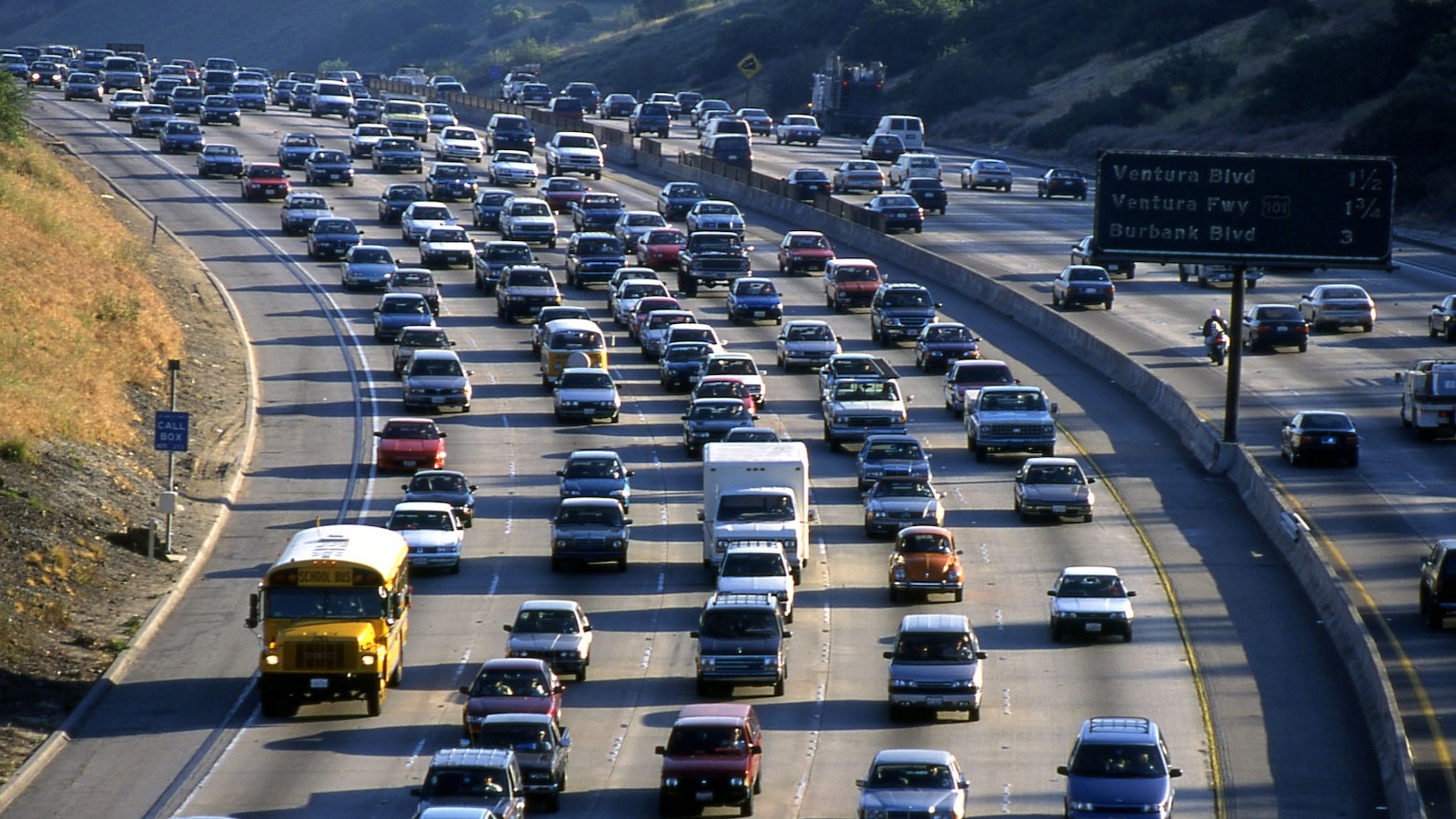
From World War II until just a few years ago, the number of miles driven annually on America’s roads steadily increased. Then, at the turn of the century, something changed: Americans began driving less. By 2011, the average American was driving 6 percent fewer miles per year than in 2004. 

> Keep Reading

Pages

Priority Action

The CUT Loopholes Act would put an end to the price and profit shifting that allows publicly traded companies to engage in pervasive tax avoidance.

Consumer Alerts

Join our network and stay up to date on our campaigns, get important consumer updates and take action on critical issues.

Support Us

Your donation supports RIPIRG's work to stand up for consumers on the issues that matter, especially when powerful interests are blocking progress.